- You are here: Home > Films > International competition > The Human Flow: Home in the Age of Displacement
You are here
The Human Flow: Home in the Age of Displacement
Curatorial text by Ioana Florescu
How does one show stories of displacement? In a time when nationalism is on the rise in Europe, mass-media still misuses the images of migrants and (inconsiderately) dealing with the so-called refugee crisis has become an trend in film and video works, the competition programme THE HUMAN FLOW: HOME IN THE AGE OF DISPLACEMENT proposes five films that undermine the common ways of approaching the topic, offering new perspectives on migration through unusual combinations of visual and narrative means. In March 2019 the European Union declared the ‘crisis’ to be over, yet the need to tell the stories of displacement lingers on.
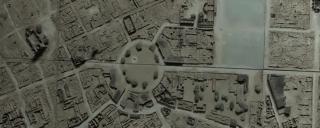
Whether it’s by examining the damaged personal items of those who lost their lives trying to reach Europe in MUM I’M SORRY, by using voice-over confession and CGI in 15 DAYS, or by juxtaposing a model of a bombed city with a sober commentary that sums up on man’s attempts to reach a safe zone in VIEW FROM ABOVE, most films in this programme deal with the stories of those who had to leave their homes by avoiding to actually show them. Providing a sudden shift of temporal perspective and employing sci-fi elements, THIRD KIND looks at today’s migration stories as understood by humans of a distant future, while THE MIGRATING IMAGE places under scrutiny the visual material produced during the ‘crisis’.
How does one show stories of displacement? In a time when nationalism is on the rise in Europe, mass-media still misuses the images of migrants and (inconsiderately) dealing with the so-called refugee crisis has become an trend in film and video works, the competition programme THE HUMAN FLOW: HOME IN THE AGE OF DISPLACEMENT proposes five films that undermine the common ways of approaching the topic, offering new perspectives on migration through unusual combinations of visual and narrative means. In March 2019 the European Union declared the ‘crisis’ to be over, yet the need to tell the stories of displacement lingers on.
Whether it’s by examining the damaged personal items of those who lost their lives trying to reach Europe in MUM I’M SORRY, by using voice-over confession and CGI in 15 DAYS, or by juxtaposing a model of a bombed city with a sober commentary that sums up on man’s attempts to reach a safe zone in VIEW FROM ABOVE, most films in this programme deal with the stories of those who had to leave their homes by avoiding to actually show them. Providing a sudden shift of temporal perspective and employing sci-fi elements, THIRD KIND looks at today’s migration stories as understood by humans of a distant future, while THE MIGRATING IMAGE places under scrutiny the visual material produced during the ‘crisis’.